What Happens If Ceramic Coating Is Applied Without Paint Correction?
A ceramic coating is designed to provide durable protection while enhancing the appearance of a vehicle’s paint, but the quality of the final result depends heavily on the condition of the surface underneath it. Applying a coating to paint that still contains swirl marks, oxidation, water spots, or bonded contaminants can leave those imperfections visible after installation. For Gainesville vehicle owners, proper preparation is an important part of achieving the gloss and clarity expected from professional ceramic coating. Understanding the relationship between paint correction and coating installation can help ensure that protection is applied to a surface that is ready for long-term results.
How Paint Preparation Affects Ceramic Coating Results
At
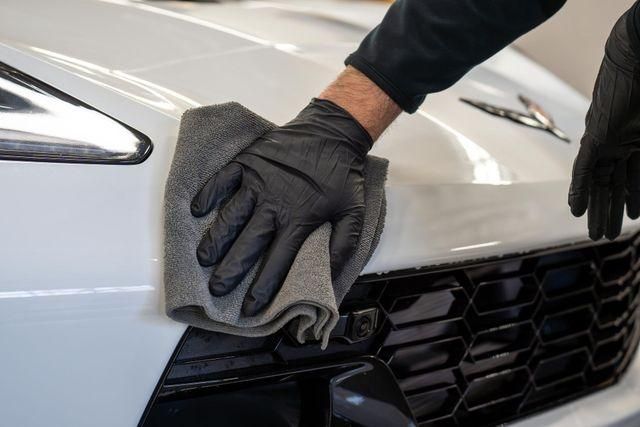
North Atlanta Customs, proper paint preparation is an important part of achieving a high-quality ceramic coating finish. Paint correction helps address existing imperfections before the coating is installed, rather than simply placing protection over swirl marks, oxidation, or water spots. Because ceramic coating can enhance the way light reflects from the paint, uncorrected defects may remain noticeable or appear more prominent after application. For Gainesville vehicle owners, preparing the paint properly helps create a cleaner foundation for ceramic coating and supports a more refined final appearance.

Swirl Marks and Fine Marks Can Remain Visible
Swirl marks and fine Marks are common paint imperfections caused by improper washing, drying, automatic car washes, abrasive towels, and general vehicle use. When ceramic coating is applied without paint correction, these marks do not simply disappear beneath the protective layer. In many cases, the coating’s enhanced gloss can make uneven reflections easier to notice, particularly when the vehicle is viewed under direct sunlight or strong lighting. Paint correction can reduce or remove surface imperfections before the coating is installed, allowing the finished surface to appear smoother and more consistent. This preparation is especially valuable when the goal is to achieve a high-gloss finish rather than simply adding a protective layer.
Oxidation Can Reduce Paint Clarity
Oxidation can cause paint to appear faded, cloudy, chalky, or less vibrant, particularly when a vehicle has experienced prolonged exposure to sunlight and environmental conditions. Applying ceramic coating over oxidized paint does not reverse the underlying deterioration or restore the clarity of the finish by itself. Instead, the coating may preserve the condition of the surface at the time of installation, which means the vehicle may not achieve the visual improvement the owner expects. Paint correction and proper surface preparation can address paint imperfections and improve the appearance before ceramic coating is applied. For Gainesville drivers, this preparation can be an important step toward achieving a clearer and more uniform finish.
Water Spots and Contaminants Can Affect the Finish
Water spots, mineral deposits, road film, and other contaminants can interfere with the appearance and preparation of automotive paint. If these substances remain on the surface, applying a ceramic coating over them can prevent the coating from bonding to a properly prepared paint surface. Some deposits may also remain visible through the coating, limiting the clean appearance that vehicle owners want from a professional installation. Thorough preparation helps identify and remove contaminants before the coating process begins, while paint correction can address suitable defects that remain afterward. This combination allows the coating to be applied with greater attention to the condition of the actual paint surface.
What Happens With Ceramic Coating Without Paint Correction?
Choosing a ceramic coating without paint correction can affect the appearance of the finished vehicle because the coating is not intended to repair existing paint defects. Instead, it is applied to provide a protective layer over the prepared paint. If swirl marks, oxidation, or water spots remain beforehand, those imperfections can continue to influence how the vehicle looks after installation. The result may be a protected surface that still lacks the level of clarity or gloss the owner expected. For Gainesville vehicle owners, evaluating the paint before ceramic coating can help determine whether correction should be included as part of the preparation process.
Existing Paint Defects Stay Under the Coating
Ceramic coating does not function as a replacement for paint correction, so existing defects generally remain where they were when the coating was installed. Light swirl marks, dull areas, and other imperfections can continue to affect the way light reflects from the paint. Once a coating increases surface gloss, those irregularities may become more apparent in certain lighting conditions. This is why professional preparation focuses on improving the paint before the protective coating is applied. Addressing suitable imperfections beforehand gives the coating a cleaner surface to protect and helps prevent the finished result from being limited by defects that could have been corrected earlier.
Gloss May Not Look as Refined as Expected
One of the major reasons vehicle owners choose ceramic coating is to improve the overall appearance of their paint while adding durable protection. However, the coating cannot produce its best visual effect when the underlying surface has significant imperfections. Swirls can scatter reflected light, while oxidation and mineral deposits can make the finish look cloudy or uneven. Paint correction helps refine the surface so that the coating can enhance an already improved finish rather than simply covering existing flaws. For Gainesville vehicles receiving professional ceramic coating, this preparation can make a noticeable difference in the depth, reflection, and consistency of the final appearance.
The Coating Protects the Surface It Receives
A useful way to understand the importance of preparation is to remember that ceramic coating protects the condition of the paint at the time it is installed. It does not act as a process for removing marks, correcting oxidation, or eliminating paint defects after application. If the surface has visible imperfections before installation, those conditions can remain beneath the coating for the duration of its service life. Proper preparation therefore becomes an important part of the overall coating process, especially when long-term protection and improved appearance are both priorities. A professional assessment can help determine what preparation is appropriate for the vehicle before coating installation begins.
How Paint Correction Improves Ceramic Coating Results
At North Atlanta Customs, paint correction can help create a cleaner foundation for ceramic coating by addressing suitable imperfections before the protective layer is applied. The process can refine the appearance of the paint, improve reflections, and create a more consistent surface for coating installation. Not every vehicle requires extensive correction, as the appropriate level of preparation depends on the paint’s condition and the owner’s desired results. For Gainesville vehicle owners, professional preparation from North Atlanta Customs can help enhance the gloss, clarity, and overall appearance of a ceramic coating finish
A Cleaner Surface Enhances Paint Clarity
Paint clarity depends on how evenly light reflects from the vehicle’s exterior surface, which is why swirls, oxidation, and other defects can interfere with the appearance of a finish. Paint correction can reduce surface imperfections and help restore a cleaner visual appearance before ceramic coating is installed. Once the surface has been refined, the coating can enhance the clarity and reflectivity of the prepared paint rather than drawing attention to defects underneath. This can be particularly noticeable on darker-colored vehicles, where surface imperfections often stand out more clearly. Proper preparation therefore supports both the protective and visual goals of professional ceramic coating.
Corrected Paint Can Produce Deeper Gloss
A glossy finish is not created by the coating alone; the condition of the paint beneath it also plays an important role. When the surface contains widespread swirl marks, reflected light can appear uneven and reduce the depth of the finish. Correcting suitable imperfections before coating allows the paint to present a cleaner reflective surface, giving the ceramic coating a better foundation to enhance. This can contribute to a deeper, sharper-looking gloss once the installation is complete. For owners seeking professional ceramic coating in Gainesville, combining appropriate paint preparation with coating installation can provide a more complete approach to improving the vehicle’s appearance.
Preparation Supports a More Consistent Coating Finish
Proper preparation helps ensure that the coating is installed over paint that has been thoroughly cleaned, inspected, and refined according to its condition. Remaining contaminants or defects can interfere with the visual consistency of the finished surface, while an appropriately prepared panel gives the installer a cleaner foundation to work with. Paint correction is therefore not simply an optional cosmetic step when a vehicle has noticeable defects; it can be an important part of achieving the desired overall result. Professional ceramic coating preparation allows attention to be given to the vehicle before protection is permanently applied, helping avoid unnecessary compromises in appearance.
Does Every Vehicle Need Paint Correction Before Ceramic Coating?
Not every vehicle requires the same level of paint correction before ceramic coating, and the appropriate preparation depends on several factors. A recently purchased vehicle with well-maintained paint may only need careful cleaning, decontamination, and minor refinement, while an older vehicle with visible swirl marks, oxidation, or water spots may benefit from more extensive correction. The vehicle’s color, maintenance history, storage conditions, and owner expectations can also influence the recommended approach. Rather than treating every vehicle the same way, a professional assessment can identify the condition of the paint and determine how much preparation is appropriate before coating installation.
Professional Ceramic Coating Preparation in Gainesville
For Gainesville vehicle owners, professional ceramic coating should begin with attention to the condition of the paint rather than moving directly to the protective application. North Atlanta Customs provides ceramic coating services with preparation focused on creating a suitable surface before protection is installed. Evaluating the paint first helps determine whether correction or additional preparation is needed to address visible imperfections and improve the finished appearance. This service-focused approach is particularly useful for owners who want their vehicle to have both long-term protection and a polished, refined finish. Proper preparation can help ensure that the coating complements the vehicle rather than simply preserving imperfections that were already present.
Give Your Ceramic Coating a Better Surface to Protect
Applying ceramic coating without paint correction can leave swirl marks, oxidation, water spots, and other existing imperfections visible beneath the protective layer. While ceramic coating provides valuable protection, it is not designed to repair the paint defects that exist before installation, making surface preparation an important part of the overall process. Paint correction can improve gloss, clarity, reflection, and surface appearance before the coating is applied, giving the protective layer a more refined foundation. If you are considering ceramic coating in Gainesville, North Atlanta Customs can help evaluate your vehicle’s paint and determine the preparation needed for the desired result.
Contact us today to discuss your ceramic coating needs in Gainesville and get your vehicle’s paint properly prepared for long-lasting protection.